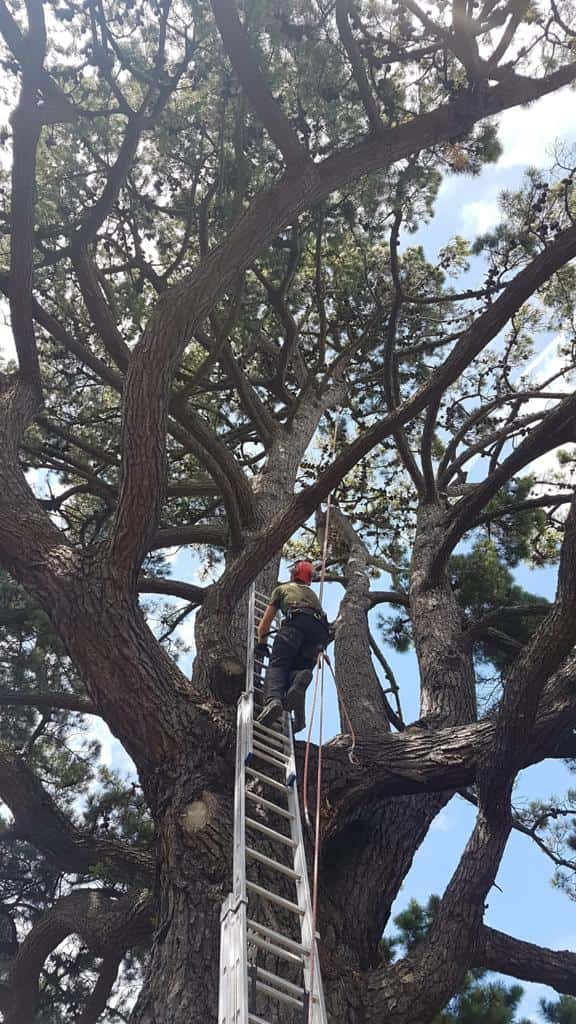
Large, mature trees are a valuable feature in many outdoor spaces, but as they grow, they can also present increased risks if not properly managed. Excessive height, heavy canopies, and unbalanced growth can place strain on branches and supporting structures, particularly in built-up areas. Crown reduction is a specialist tree surgery technique designed to reduce these risks while preserving the tree’s health and natural form.
At NS Tree Surgery Knaphill, we regularly carry out crown reduction work on large, high-risk trees throughout Knaphill, helping property owners maintain safer and more stable trees.
What Makes a Tree High Risk?
A tree may be considered high risk when its size, condition, or location increases the likelihood of branch failure or structural issues. This is particularly relevant for trees that have grown beyond their surroundings or are exposed to wind and weather.
Common risk factors include:
- Excessive canopy weight
- Long, overextended limbs
- Uneven or lopsided growth
- Proximity to buildings, roads, or footpaths
Without appropriate management, these factors can increase stress on the tree and the risk of damage during adverse conditions.
The Purpose of Crown Reduction
Crown reduction involves carefully reducing the overall size of a tree’s canopy while maintaining its natural shape. Unlike heavy cutting or topping, this process is selective and controlled, focusing on reducing height and spread without compromising the tree’s structure.
The main objectives are to:
- Lower wind resistance
- Reduce strain on major limbs
- Improve overall balance and stability
- Maintain the tree’s health and appearance
This makes crown reduction particularly suitable for large trees that need risk management rather than removal.
Improving Structural Stability
Large canopies act like sails in strong winds. By reducing the canopy size, crown reduction lessens the force exerted on branches and the trunk. This helps reduce the likelihood of limb failure and improves the tree’s ability to withstand challenging weather conditions.
For high-risk trees, this reduction in stress can significantly improve long-term stability.
Protecting Surrounding Areas
High-risk trees are often located near homes, gardens, driveways, or public access areas. Crown reduction helps control growth so branches are less likely to overhang structures or encroach on neighbouring spaces.
This proactive approach helps protect nearby property while allowing the tree to remain a feature of the landscape.
Maintaining Tree Health
When carried out correctly, crown reduction supports healthier growth. Removing selected branches improves light penetration and air movement through the canopy, reducing the risk of disease and decay.
Professional techniques ensure that cuts are made in suitable locations, encouraging natural regrowth rather than weak or excessive shoots.
Why Professional Expertise Is Essential
Crown reduction on large trees requires experience, precision, and a clear understanding of tree biology. Poorly executed work can weaken the tree, cause stress, or create long-term structural problems.
At NS Tree Surgery Knaphill, we assess each tree individually, considering its species, condition, and surroundings in Knaphill. This ensures crown reduction work is carried out safely, responsibly, and with long-term performance in mind.
Conclusion
Crown reduction is an effective solution for managing large, high-risk trees without removing them entirely. By reducing canopy size, improving balance, and lowering structural stress, it helps protect both the tree and its surroundings while preserving its natural appearance.
If you have a large tree in Knaphill that you are concerned about, NS Tree Surgery Knaphill is here to help. Contact our team to arrange a professional assessment and receive expert advice on managing your trees safely and effectively.
Call us on: 01483 967 989
Click here to find out more about NS Tree Surgery Knaphill
Click here to complete our contact form and see how we can help with your tree needs.